Bombaya: A Bold Display Font for Impactful Visual Communication
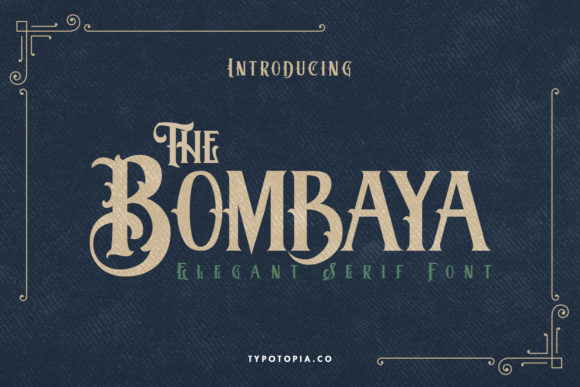
Bombaya is a bold and chunky lettered display font that has gained attention among designers, marketers, and content creators looking to make their visual messages stand out. Its unique style combines the strength of thick strokes with a modern aesthetic, making it ideal for headlines, logos, and other design elements where impact is key.
What Makes Bombaya Worth Discussing?
In an era where digital content is abundant, standing out requires more than just good content—it demands strong visual identity. Bombaya meets this need by offering a distinctive typographic solution. Unlike standard sans-serif or serif fonts, Bombaya brings a sense of energy and confidence to any project it's used in. This makes it particularly useful for brands aiming to convey strength, innovation, or a sense of movement.
The font’s design features include exaggerated serifs and a consistent weight across characters, which contributes to its readability even at smaller sizes. While primarily intended as a display font, Bombaya can also be used effectively in body text when scaled appropriately, though it’s best reserved for emphasis and headline use.
Key Characteristics of Bombaya
- Bold and Chunky Design: The thick strokes and pronounced outlines give Bombaya a commanding presence on the page.
- Modern Aesthetic: Despite its boldness, Bombaya maintains a clean, contemporary look that aligns well with current design trends.
- Versatile Use Cases: From branding materials to website headers, Bombaya can be adapted to various contexts where visual impact matters.
- Readability: Careful spacing and stroke balance ensure that even at smaller sizes, the text remains legible and easy to read.
Real-World Performance and Practical Value
When evaluating a font for professional use, it's important to consider how well it performs in different environments. Bombaya excels in scenarios where visual hierarchy is critical. For example, using Bombaya for headlines in marketing campaigns can draw immediate attention and reinforce brand messaging.
Its robust structure ensures that it renders well across multiple platforms and devices, from print to digital screens. However, due to its bold nature, it may not be suitable for long-form text. Designers should be mindful of contrast and spacing when pairing Bombaya with other fonts to maintain visual harmony.
In terms of usability, Bombaya offers a straightforward licensing model that makes it accessible for both individual creators and businesses. It supports a wide range of languages and character sets, enhancing its global appeal and practicality for international projects.
Who Benefits Most from Using Bombaya?
Bombaya is particularly beneficial for professionals and creatives who rely on typography to enhance their message. Marketers, for instance, can use it to create eye-catching banners, advertisements, and social media posts that capture attention quickly.
Entrepreneurs and small business owners might find Bombaya useful for branding materials such as logos, packaging, and promotional flyers. Its boldness can help establish a strong visual identity that resonates with target audiences.
Bloggers and publishers can leverage Bombaya for headings and subheadings to improve scannability and engagement. Educators might also benefit from using it in presentations or learning materials where clarity and emphasis are essential.
Evaluating Quality and Long-Term Value
Quality in typography extends beyond aesthetics—it involves consistency, reliability, and adaptability. Bombaya demonstrates these qualities through its well-balanced proportions and consistent character weights. It doesn’t exhibit the common issues found in some display fonts, such as inconsistent baseline alignment or poor spacing.
The font’s reliability across different mediums means it can be used confidently in both print and digital formats without compromising quality. This versatility adds to its long-term value, especially for projects that require multi-channel distribution.
While Bombaya is not a substitute for a comprehensive typeface family, it serves its purpose exceptionally well as a display font. When paired with complementary fonts for body text, it creates a visually cohesive design that enhances user experience.
Possible Limitations and Considerations
No font is universally applicable, and Bombaya is no exception. Its bold and chunky style may not be appropriate for all design contexts. For instance, it might feel overwhelming in minimalist or high-end luxury designs where subtlety is preferred.
Additionally, due to its weight, Bombaya may not render optimally on very small screens or low-resolution displays. Designers should test the font in various conditions to ensure it meets their specific needs.
Another consideration is the potential for overuse. Like any design element, Bombaya should be used strategically rather than excessively. Overusing it can dilute its impact and lead to visual clutter.
Practical Recommendations for Using Bombaya
To maximize the effectiveness of Bombaya, consider the following recommendations:
- Use for Headlines Only: Reserve Bombaya for titles, headers, and call-to-action buttons where boldness is desired.
- Pair with Complementary Fonts: Combine Bombaya with a clean sans-serif or serif font for body text to maintain visual balance.
- Test Across Devices: Ensure that Bombaya looks good on desktops, tablets, and mobile phones before finalizing a design.
- Experiment with Contrast: Play with color and background contrasts to enhance readability and visual interest.
By applying these strategies, designers can harness the strengths of Bombaya while avoiding common pitfalls associated with bold display fonts.
Bombaya is more than just a font—it's a tool that can elevate the visual impact of any creative project. Whether you're designing a logo, crafting a marketing campaign, or updating your website, incorporating Bombaya into your toolkit can help you achieve a stronger, more memorable design outcome.