Bulgogi Font: A Bold Choice for Design Projects
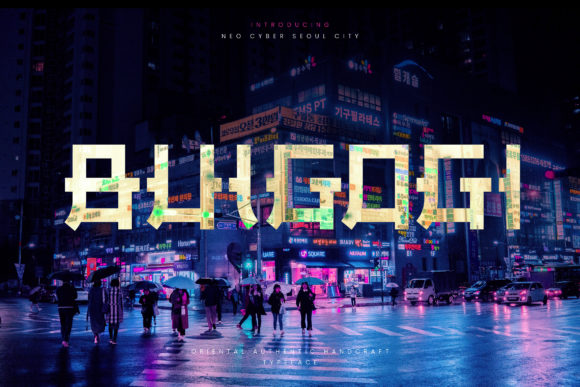
Bulgogi is a display font that captures the essence of traditional Asian typography with its bold and solid structure. It is named after the Korean dish Bulgogi, which translates to "fire meat," known for its rich flavor and grilled preparation. Similarly, this font brings a strong visual presence to any design project, making it a compelling choice for designers looking to add cultural depth and stylistic impact.
The font's ethnic Asian traditional feeling gives it a unique identity that stands out in a sea of modern sans-serif and serif fonts. Its design elements reflect the craftsmanship and aesthetic principles found in East Asian calligraphy, offering a sense of authenticity and heritage. This makes Bulgogi particularly appealing for projects that aim to evoke a sense of tradition, culture, or regional specificity.
Why Consider Bulgogi for Your Design Needs
Designers may be drawn to Bulgogi for several reasons. First, its boldness ensures that text remains legible even at smaller sizes, making it suitable for headings, logos, and other prominent elements. Second, its ethnic feel can be an asset for branding efforts targeting markets with cultural ties to Asia or for projects that aim to communicate a sense of authenticity.
Additionally, Bulgogi's versatility allows it to fit into a wide range of design contexts. Whether used in wedding invitations, product packaging, or digital interfaces, the font can adapt to various styles while maintaining its core identity. This flexibility can be especially beneficial for designers working on multiple projects with different thematic requirements.
Benefits and Tradeoffs of Using Bulgogi
One of the primary benefits of using Bulgogi is its ability to convey a strong visual message. The font’s solid construction and traditional influences make it ideal for creating a memorable brand identity or emphasizing key messages in marketing materials. It also offers a distinctive alternative to more commonly used fonts, helping designs stand out in a competitive market.
However, there are tradeoffs to consider. Because Bulgogi has a specific cultural association, it may not be appropriate for all contexts. For example, if the design project requires a more neutral or universal aesthetic, the font’s ethnic character could be seen as too niche or limiting. Additionally, its bold style may not be suitable for long-form text, where readability and visual comfort are priorities.
Situations Where Bulgogi Is a Strong Fit
Bulgogi excels in situations where a strong visual statement is needed. It is particularly well-suited for branding projects, such as logos and taglines, where the goal is to create a lasting impression. The font's boldness also makes it effective for headlines in magazines, websites, or advertisements, where attention-grabbing typography is essential.
In creative fields like wedding design, invitations, and event branding, Bulgogi can add a touch of elegance and cultural significance. Its traditional Asian feel aligns well with themes that celebrate heritage, travel, or global connections. Designers working in these areas may find Bulgogi to be a valuable tool for enhancing the visual narrative of their work.
When Alternatives May Be Worth Considering
While Bulgogi offers unique advantages, it is not always the best choice. In cases where a more subtle or versatile font is required, alternatives like Helvetica, Georgia, or Roboto may be more appropriate. These fonts offer greater flexibility for body text and are widely recognized across different cultures and industries.
For projects that require multilingual support or broader accessibility, it is important to evaluate whether Bulgogi's design will be easily understood by all audiences. In such cases, opting for a font with a more universal appeal might be a safer and more inclusive choice.
Practical Insights for Decision-Making
When deciding whether to use Bulgogi, consider the overall tone and purpose of your design. Ask yourself: Does the font align with the message you want to convey? Will it resonate with your target audience? And is it appropriate for the context in which it will be used?
It is also worth testing Bulgogi alongside other fonts to see how it compares in terms of legibility, aesthetics, and overall impact. Experimenting with different typefaces can help identify the best match for your project's needs. Remember that while Bulgogi is a strong and distinctive option, it should be chosen based on its suitability rather than simply for novelty.
Ultimately, Bulgogi is a powerful tool for designers who are looking to infuse their work with cultural richness and visual strength. By carefully evaluating its characteristics and considering the context of use, designers can determine whether this font is the right choice for their next project.