Native Brush: A Bold Display Font for Creative and Professional Workflows
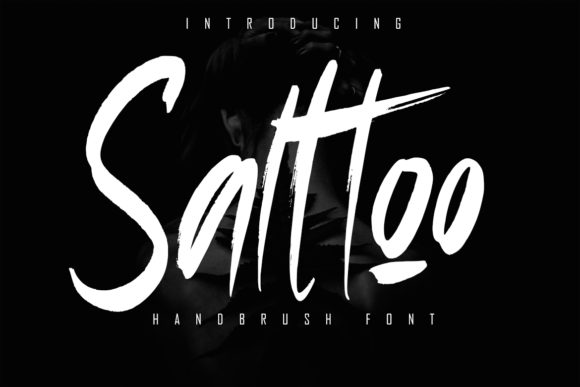
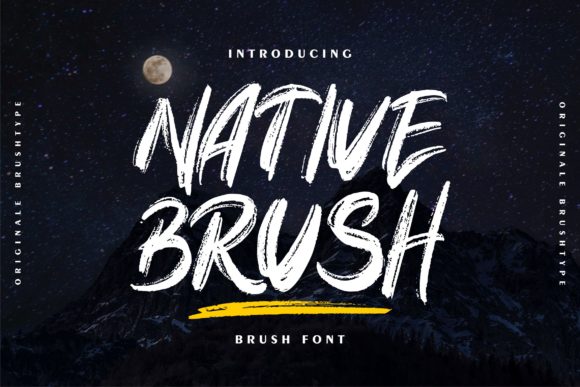
Native Brush is a bold and unique display font that brings a handcrafted feel to digital typography. Created with the help of a brush pen, it offers a versatile style that can elevate designs across various platforms and media. Whether you're designing a logo, creating marketing materials, or enhancing a website, Native Brush provides a natural, expressive look that stands out from standard sans-serif or serif fonts.
Understanding the Role of Native Brush in Design and Communication
Fonts are more than just text—they are essential tools for visual communication. Native Brush adds a layer of personality and creativity to any project. Its brush-stroke design mimics the texture and flow of traditional calligraphy, making it ideal for projects that require an organic, artistic touch.
In professional settings, such as branding, advertising, or web design, Native Brush can be used to create headings, titles, and emphasis points that draw attention and convey emotion. It's especially useful when trying to communicate a message that feels personal, artistic, or inspired by nature.
Integrating Native Brush into Your Workflow
Using Native Brush effectively requires understanding how it interacts with other design elements. Here’s how you can integrate it into your workflow at different stages:
- Pre-Design Phase: Consider using Native Brush during brainstorming sessions to sketch out ideas on paper or digitally. The font's fluidity can inspire creative direction and help visualize how a final product might look.
- During Design: Apply Native Brush to key elements like headlines, banners, or promotional graphics. It works well with high-contrast backgrounds and complements minimalist layouts.
- Post-Design Review: Use Native Brush in presentations or client reviews to highlight important points. Its distinctive appearance can make your content more engaging and memorable.
Native Brush also pairs well with other tools and resources. For example, it can be combined with vector illustration software like Adobe Illustrator or graphic design platforms like Canva. When paired with images that have natural textures or organic shapes, Native Brush enhances the overall aesthetic.
Practical Implementation Tips
To get the most out of Native Brush, consider these practical tips for implementation:
- Test Across Devices: Ensure that Native Brush renders consistently across different devices and screen sizes. Some variations may appear differently depending on the platform or browser.
- Use with Caution: While Native Brush is great for emphasis, avoid overusing it. Reserve it for headings or short phrases rather than large blocks of text to maintain readability.
- Pair with Complementary Fonts: To create a balanced design, use Native Brush alongside a clean, readable font for body text. This ensures that your message remains clear while still being visually appealing.
- Optimize for Accessibility: If you're using Native Brush for public-facing content, ensure that it meets accessibility standards. High contrast and proper spacing are crucial for legibility.
Additionally, Native Brush is compatible with most modern design software and online tools. You can download it from font repositories like Google Fonts or Adobe Fonts and install it directly on your computer or device for easy access.
Workflow Examples for Different Users
Depending on your role, Native Brush can be used in various ways. Here are some examples tailored to different user types:
For Entrepreneurs and Small Business Owners
Entrepreneurs can use Native Brush to create eye-catching logos, business cards, or social media posts. Its bold and unique style helps stand out in a crowded market. Pair it with simple colors and clean layouts to create a professional yet approachable brand identity.
For Marketers and Advertisers
Marketers often need to grab attention quickly. Native Brush can be used in ad copy, email headers, or promotional banners to make key messages more memorable. It works particularly well in campaigns that aim to evoke emotion or creativity.
For Educators and Bloggers
Educators and bloggers can incorporate Native Brush into their content to add visual interest to headings, chapter titles, or section headers. It can also be used in infographics or educational materials to enhance engagement and retention.
For Freelancers and Designers
Freelancers working on client projects can use Native Brush to differentiate their work from others. It can be used in proposals, portfolio websites, or presentation decks to showcase creativity and professionalism simultaneously.
Long-Term Use and Quality Control
When using Native Brush regularly, it's important to maintain consistency and quality. Establish a style guide that defines when and how to use the font within your projects. This helps ensure that all materials remain cohesive and aligned with your brand or personal style.
Also, keep track of where and how often you use Native Brush. Overuse can lead to visual clutter, while underuse might make your designs feel flat or unoriginal. Striking the right balance is key to achieving the desired effect.
Regularly review your work to see if Native Brush continues to meet your needs. As trends evolve, so should your design choices. Stay open to experimenting with new combinations and applications of the font to keep your output fresh and relevant.
Conclusion
Native Brush is more than just a display font—it's a powerful tool that can enhance your creative and professional workflows. Its versatility makes it suitable for a wide range of uses, from branding and marketing to education and design. By integrating it thoughtfully into your process, you can create visually compelling content that resonates with your audience.
Whether you're looking to add a touch of elegance to your website, create a memorable logo, or simply experiment with new typography styles, Native Brush offers a unique solution that can elevate your work. Start exploring its potential today and discover how it can transform your next project.