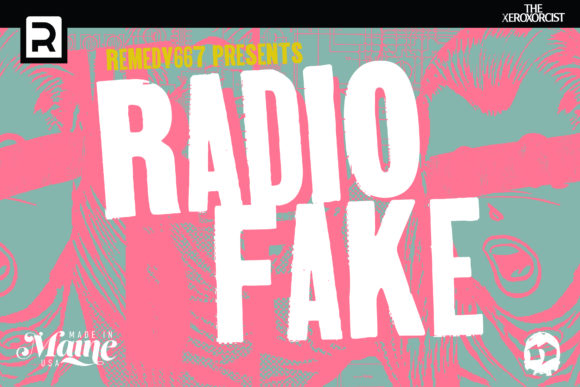
Radio Fake Font
Imagine a font that commands attention with its bold, chunky letterforms—this is Radio Fake, a display font that brings an edgy, retro-modern vibe to any design project. As a graphic designer, you know the power of typography in shaping first impressions and reinforcing brand identity. Radio Fake isn’t just another typeface; it’s a visual statement waiting to be made.
In today’s fast-paced digital world, standing out is more important than ever. Whether you're working on branding, social media graphics, or editorial layouts, the right font can elevate your creative output from good to unforgettable. Radio Fake delivers a high-impact aesthetic that blends vintage charm with contemporary energy, making it a versatile tool for designers looking to inject character into their work.
Why Radio Fake Works for Modern Design
The chunky, stylized letters of Radio Fake are designed to grab attention instantly. This makes it ideal for headlines, call-to-action buttons, and other elements where visual hierarchy is crucial. Its unique form adds a sense of playfulness while maintaining professionalism, striking the perfect balance between fun and functional.
When used effectively, Radio Fake can help establish a strong visual identity. It pairs well with minimalist layouts, allowing the font to take center stage without overwhelming the overall design. This compatibility with modern aesthetics ensures that it fits seamlessly into various design workflows—from web design to print materials.
Practical Applications of Radio Fake
Radio Fake has a wide range of applications across different design fields:
- Branding and Logo Design: Use it for logos that need to convey a bold, memorable presence.
- Social Media Graphics: Perfect for eye-catching captions, hashtags, and promotional posts.
- Website and UI Design: Ideal for hero sections, banners, and interactive buttons that demand attention.
- Packaging Design: Adds a touch of uniqueness to product labels and packaging visuals.
- Digital Marketing: Enhances the impact of advertisements, banners, and email campaigns.
Its versatility also extends to editorial design, where it can be used for magazine titles, poster designs, or even as part of a larger typographic composition. The key is to ensure consistency in how it's used across all platforms to maintain a cohesive brand image.
Design Tips for Using Radio Fake
To get the most out of Radio Fake, consider these practical tips:
- Balance with Simpler Fonts: Pair Radio Fake with clean, sans-serif fonts for body text to avoid visual clutter.
- Use for Emphasis: Reserve it for headings or short phrases rather than long paragraphs to maintain readability.
- Consider Color Contrast: Choose colors that complement the font’s boldness, such as dark backgrounds with light text or vice versa.
- Test Across Devices: Ensure the font scales well on both desktop and mobile screens for optimal user experience.
By thoughtfully integrating Radio Fake into your design workflow, you can create visually compelling projects that resonate with your audience. It’s not just about using a trendy font—it’s about using it strategically to enhance your message and improve communication.
Typography plays a critical role in how your audience perceives your brand. With Radio Fake, you have a powerful tool at your disposal—one that can transform ordinary designs into extraordinary ones. Whether you're crafting a new logo, updating your website, or designing marketing collateral, this font offers a fresh perspective that can set your work apart in a crowded digital landscape.