Rollstone: A Simple Yet Powerful Display Font for Your Creative Projects
Rollstone is a display font that stands out with its clean, modern design and versatility. It's the kind of font that can elevate your project from good to exceptional—whether you're designing a logo, crafting a website, or creating marketing materials. But like any tool, Rollstone requires thoughtful use to achieve the best results. Let’s explore what makes Rollstone special and how you can avoid common pitfalls when using it.
What Is Rollstone and Why You Should Care
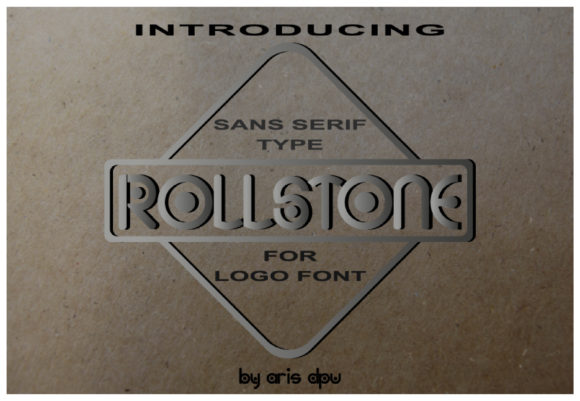
Rollstone is a display font that blends simplicity with elegance. Its design is minimalistic yet expressive, making it ideal for headlines, titles, and other prominent text elements. The font has a friendly, approachable feel while maintaining a professional appearance, which is why it appeals to a wide range of users—from beginners to seasoned designers.
If you're looking for a font that adds character without overwhelming your design, Rollstone is worth considering. It works well in both digital and print formats, offering consistent readability across different media. This makes it an excellent choice for branding, web design, and even personal projects like resumes or social media posts.
Common Mistakes When Using Rollstone
While Rollstone is easy to use, there are some common mistakes that can affect the overall quality of your design. Here are a few things to watch out for:
- Overusing it: Rollstone is a display font, not a body font. Using it for long paragraphs can make your content hard to read. Stick to using it for headlines or short phrases.
- Ignoring spacing: Proper letter and word spacing is crucial when using display fonts. If you don't adjust the spacing correctly, your text may look cluttered or unbalanced.
- Mismatching with other fonts: Pairing Rollstone with the wrong font can ruin the visual harmony of your design. Choose complementary fonts that share similar characteristics, such as sans-serif or serif styles.
- Not checking legibility: While Rollstone looks great on screen, it's important to test how it appears at different sizes and on various devices. What looks perfect on a desktop might be hard to read on a mobile phone.
How These Mistakes Can Impact Your Work
Each of these mistakes can have a real impact on the effectiveness of your design. Overusing Rollstone can lead to poor readability, which may cause your audience to lose interest. Ignoring spacing can make your design appear unprofessional, while mismatching fonts can create a disjointed look that doesn’t convey your message clearly.
Legibility issues are especially problematic in marketing and branding. If your audience can’t read your message easily, they’re less likely to engage with your content. In the long run, this could affect your brand’s reputation and customer satisfaction.
Practical Tips for Using Rollstone Effectively
To get the most out of Rollstone, follow these practical tips:
- Use it for emphasis: Reserve Rollstone for headings, titles, and call-to-action buttons. This helps draw attention where it matters most without sacrificing readability.
- Adjust spacing carefully: Take time to tweak letter and word spacing so your text looks balanced. Most design software offers tools to help with this.
- Pair it wisely: Experiment with different font combinations to find the right match. A simple sans-serif font like Helvetica or Arial can complement Rollstone beautifully.
- Test across devices: Always check how your design looks on different screens and resolutions. Make sure your text remains clear and readable no matter where it’s viewed.
What to Check Before Using Rollstone
Before deciding to use Rollstone in your project, take a moment to evaluate a few key factors:
- License agreement: Make sure you understand the terms of use for Rollstone. Some fonts require attribution or have restrictions on commercial use.
- Font quality: Download high-quality versions of Rollstone from trusted sources. Poorly rendered fonts can affect the professionalism of your work.
- Compatibility: Check if Rollstone works well with your design software. Some fonts may not render correctly in certain programs.
- Style consistency: Ensure that Rollstone aligns with the overall style and tone of your project. A mismatch in aesthetics can confuse your audience.
Real-World Examples of Rollstone in Action
Rollstone shines in a variety of creative contexts. For instance, a blogger might use it for their blog title to add a touch of personality without overpowering the content. A small business owner could incorporate it into their logo or website header to create a memorable brand identity.
On the other hand, a marketer might use Rollstone for email subject lines or social media captions to grab attention quickly. The key is to use it sparingly and purposefully, ensuring that it enhances rather than distracts from your message.
Conclusion
Rollstone is more than just another display font—it's a versatile tool that can help you create visually appealing and effective designs. By understanding its strengths and avoiding common mistakes, you can ensure that your projects stand out in the best possible way. Whether you're a beginner or a professional, Rollstone offers something valuable for your creative toolkit.