Watson Font: A Quirky and Versatile Display Font for Modern Design
The Watson font stands out in the world of typography with its unique blend of character and adaptability. Designed to be both playful and professional, it offers a fresh alternative to more traditional display fonts. Whether you're working on a brand identity, a website header, or a creative project, Watson brings a distinctive flair that can elevate your design work.
What Makes Watson Unique?
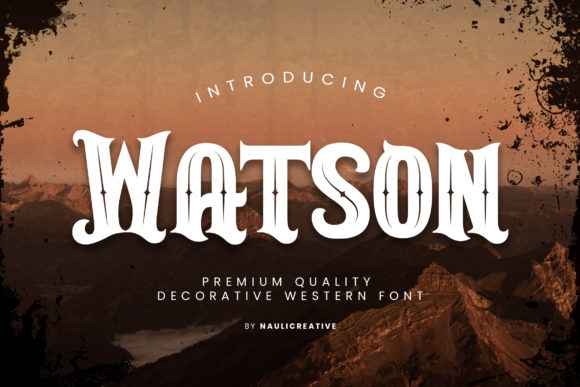
At first glance, the Watson font might seem like just another display typeface, but its quirky personality sets it apart. The letterforms are slightly irregular, giving them a handcrafted feel that feels both modern and nostalgic. This subtle imperfection adds visual interest without overwhelming the viewer.
One of the most notable features of Watson is its ability to work across a wide range of contexts. It's not limited to a specific style or use case—it can be used for everything from logos and headlines to social media posts and packaging designs. Its versatility makes it an excellent choice for designers who want to experiment with different aesthetics while maintaining readability.
Comparing Watson to Other Display Fonts
When considering display fonts, it's important to understand how they differ in terms of style, legibility, and application. While many display fonts lean toward bold or dramatic styles, Watson offers a more balanced approach. It maintains a level of sophistication that prevents it from appearing too casual or unprofessional.
Compared to other quirky or decorative fonts, Watson strikes a careful balance between uniqueness and usability. It avoids the overly ornate details that can make some display fonts difficult to read at smaller sizes. This makes it a practical choice for projects where clarity is still a priority, even when using a distinctive typeface.
For example, if you're designing a poster for a local event, a font like Brush Script might give a more artistic look, but it could be challenging to read from a distance. In contrast, Watson retains enough structure to ensure legibility while still standing out visually.
Strengths and Tradeoffs of Using Watson
The Watson font has several strengths that make it a compelling choice for many design scenarios. First and foremost, its distinctiveness helps create a memorable visual identity. This can be especially valuable for brands looking to establish a unique presence in a crowded market.
Another advantage of Watson is its scalability. It works well in both large and small formats, making it suitable for a variety of applications. From digital banners to print materials, Watson adapts smoothly without losing its character.
However, there are also tradeoffs to consider. Because of its unique style, Watson may not be the best fit for all projects. For instance, in highly formal or technical documents, a more conventional sans-serif or serif font might be more appropriate. Similarly, in situations where maximum readability is essential—such as body text in long-form content—Watson would not be the ideal choice.
Best-Fit Situations for Watson
So when should you choose Watson? Let’s explore some common scenarios where this font shines:
- Brand Logos: Watson’s distinctive look can help create a strong, recognizable brand identity. Its quirky nature can appeal to younger audiences or companies with a more casual, fun image.
- Headlines and Titles: As a display font, Watson is perfect for grabbing attention. Whether it's for a blog post, magazine cover, or advertising campaign, it adds visual intrigue without sacrificing clarity.
- Social Media Graphics: With the rise of visual storytelling on platforms like Instagram and Pinterest, Watson can add a touch of personality to your posts. It works particularly well with lifestyle, fashion, and creative content.
- Packaging Design: Product packaging often needs to stand out on store shelves. Watson can help achieve that by adding a unique visual element that draws the eye.
On the flip side, if your project requires a more conservative or traditional aesthetic, you may need to look elsewhere. For instance, a law firm or financial institution might prefer a font that conveys trust and professionalism over a more whimsical option like Watson.
Real-World Examples and Practical Applications
To better understand how Watson can be used effectively, let’s look at a few real-world examples:
Example 1: Restaurant Branding
A new café wants to create a warm and inviting brand identity. They choose Watson for their logo and menu headings. The font’s friendly and slightly unconventional style aligns with the café’s theme of being approachable and fun. It helps differentiate the brand from competitors while maintaining a sense of professionalism.
Example 2: Music Festival Poster
A music festival uses Watson for its promotional posters. The font’s quirky nature complements the event’s vibrant and energetic vibe. It captures the attention of potential attendees and reinforces the festival’s unique atmosphere.
Example 3: E-commerce Packaging
An online retailer of handmade goods selects Watson for their product packaging. The font adds a personal and artisanal touch that resonates with their target audience. It helps convey the brand’s commitment to creativity and individuality.
Considerations When Choosing Watson
Before deciding to use Watson, it's important to evaluate your specific needs and goals. Ask yourself the following questions:
- Does the tone and style of Watson align with my brand or project’s message?
- Will Watson be readable in the context it will be used (e.g., print, digital, signage)?
- Is there a risk that Watson might clash with other design elements in the layout?
- Are there any accessibility concerns I need to address, such as ensuring sufficient contrast and legibility?
By carefully considering these factors, you can determine whether Watson is the right choice for your project or if another font would be more appropriate.
In conclusion, the Watson font offers a unique and versatile solution for designers looking to add personality and visual interest to their work. Its quirky yet professional appearance makes it suitable for a wide range of applications, from branding to advertising. However, it's important to weigh its strengths against its limitations and consider how well it fits your specific needs before making a final decision.