Botrio: A Classy Display Font for Branding and Design
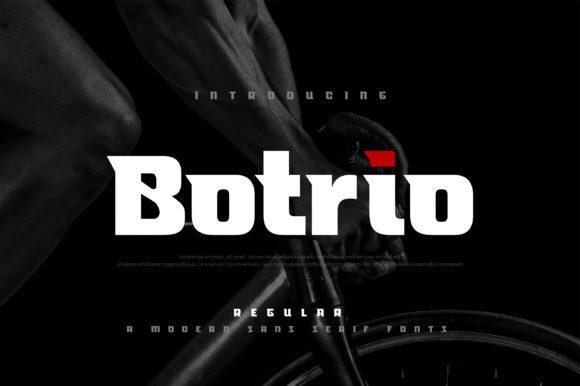
Botrio is a unique display font that stands out with its elegant and sophisticated style. Designed to capture attention, it offers a versatile solution for a variety of design applications. Whether you're creating a brand identity, designing a logo, or working on digital content, Botrio brings a touch of class to your projects.
What Is Botrio?
Botrio is a display font known for its distinctive letterforms and refined aesthetics. It combines elements of serif and sans-serif typography, resulting in a balanced look that feels both modern and timeless. The font is particularly well-suited for use in headlines, titles, and other prominent text elements where visual impact is key.
Its character set includes uppercase and lowercase letters, numbers, and punctuation marks, making it a comprehensive choice for various typographic needs. The font's clean lines and subtle curves give it a polished appearance that works well in both digital and print formats.
Why Consider Botrio?
If you're looking for a font that exudes elegance without being overly ornate, Botrio could be an excellent choice. Its versatility makes it suitable for a wide range of design scenarios, including branding, logos, invitations, and even game interfaces. Here are some reasons why designers and creatives might find Botrio appealing:
- Elegant Style: Botrio’s classy design can elevate the visual appeal of any project.
- Versatility: It works well in both modern and traditional design contexts.
- Readability: Despite its decorative qualities, Botrio maintains good legibility at larger sizes.
- Wide Application: It can be used in branding materials, marketing collateral, and more.
Benefits of Using Botrio
The primary benefit of using Botrio lies in its ability to convey sophistication and professionalism. When used effectively, it can help establish a strong visual identity that resonates with audiences. Additionally, its clean and structured design ensures that it remains readable even when used in larger formats such as banners, posters, or website headers.
Another advantage is its compatibility with different media types. Whether you're designing for print or digital platforms, Botrio adapts well, ensuring consistent quality across all outputs. This makes it a reliable option for multi-channel marketing strategies.
Potential Tradeoffs and Considerations
While Botrio has many strengths, there are also a few considerations to keep in mind. One potential drawback is that its unique design may not suit every aesthetic. For instance, if a project requires a more minimalist or contemporary look, Botrio might appear too stylized or outdated.
Additionally, like many display fonts, Botrio may not be ideal for long-form text. It is best reserved for headings, titles, and other short bursts of text where visual emphasis is desired. Using it for body copy could lead to readability issues and a less professional appearance.
Designers should also consider how Botrio interacts with other elements in their layout. Pairing it with simpler fonts for body text can create a harmonious balance, but improper combinations may result in a cluttered or unbalanced design.
Situations Where Botrio Is a Strong Fit
Botrio shines in situations where a bold yet refined typographic presence is needed. It is especially effective in the following scenarios:
- Branding and Logos: Its classy appearance makes it ideal for creating logos that convey professionalism and style.
- Invitations and Event Materials: From wedding invitations to corporate events, Botrio adds a touch of elegance.
- Game Titles and Interfaces: In gaming, it can enhance the visual appeal of titles and menus without overwhelming the user interface.
- Marketing Collateral: Use it for headlines on brochures, flyers, and advertisements to draw attention and make a lasting impression.
When Alternatives Might Be Worth Considering
Despite its strengths, there are instances where alternative fonts may be more appropriate. If your project requires a more modern or minimalist approach, fonts like Helvetica Neue or Montserrat might be better choices. These options offer a cleaner, more streamlined look that aligns with contemporary design trends.
For projects involving large blocks of text, such as articles or reports, a serif font like Georgia or a sans-serif like Arial could provide better readability. These fonts are designed for extended reading and are less likely to cause eye strain compared to display fonts like Botrio.
In cases where consistency across multiple platforms is crucial, using a widely supported font that is available on most devices might be preferable. While Botrio is available through font libraries, it may not be natively supported on all systems, which could affect its accessibility in certain contexts.
Practical Insights for Choosing Botrio
When evaluating whether Botrio is the right choice for your project, consider the overall tone and purpose of your design. Ask yourself: Does this font align with the message I want to convey? Will it work well with the rest of my design elements? How will it perform in different sizes and formats?
Testing Botrio in various contexts can help determine its suitability. Experiment with pairing it with complementary fonts, adjusting weights, and applying it to different surfaces to see how it performs. This hands-on approach can reveal whether it meets your expectations or if another option would be more appropriate.
Ultimately, the decision to use Botrio depends on your specific needs and the goals of your project. By carefully considering its benefits, limitations, and potential applications, you can make an informed choice that enhances your design rather than detracts from it.