Hallo Bernad: A Stylish Display Font for Modern Design Workflows
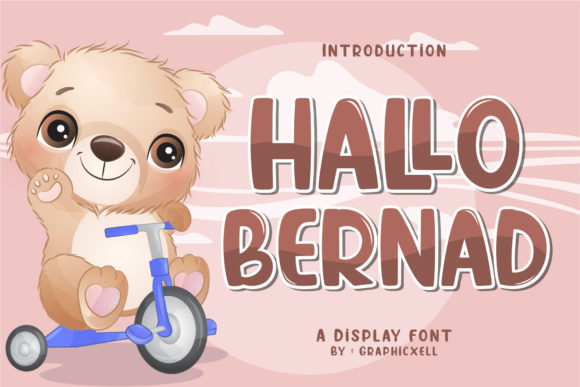
Hallo Bernad is a stylish display font that has found its place in the creative toolkit of designers, marketers, and content creators. Its clean lines, elegant curves, and versatile character make it an excellent choice for a wide range of design applications. Whether you're working on branding materials, digital assets, or personal projects, Hallo Bernad offers a professional yet approachable aesthetic that can enhance your visual communication.
Understanding the Role of Hallo Bernad in Design Processes
Fonts are more than just text—they are a crucial element of visual identity and user experience. Hallo Bernad stands out due to its readability and stylistic appeal, making it suitable for both digital and print media. It's particularly well-suited for headlines, logos, and other prominent text elements where impact and clarity are essential.
Incorporating Hallo Bernad into your workflow begins with understanding how it fits within your overall design strategy. For instance, when creating social media posts, using this font for captions or call-to-action buttons can draw attention without overwhelming the viewer. Similarly, in branding projects, Hallo Bernad can be used to reinforce a brand's personality through typography.
Pre-Project Considerations
Before starting any project that involves Hallo Bernad, it's important to evaluate its compatibility with your existing tools and resources. This includes checking if the font is available in the required format (such as .ttf or .otf) and ensuring it works seamlessly with your design software—whether it's Adobe Creative Suite, Canva, or another platform.
Consider the context in which the font will be used. While Hallo Bernad is highly versatile, it may not be the best choice for every scenario. For example, if you're designing a document that requires extensive body text, a more readable sans-serif or serif font might be more appropriate. However, for headings, banners, or promotional materials, Hallo Bernad can bring a unique flair that sets your work apart.
Implementing Hallo Bernad in Your Workflow
Once you've decided to use Hallo Bernad, the next step is integrating it into your design process. This can happen at various stages—before, during, or after a project, depending on your specific needs.
During the planning phase, consider how Hallo Bernad aligns with your brand guidelines or design brief. If you're working on a marketing campaign, for example, you might want to test different fonts to see which one best communicates the intended message. In this case, Hallo Bernad could be one of several options evaluated based on factors like legibility, tone, and visual consistency.
During the execution phase, focus on how to apply Hallo Bernad effectively. When using it for headings or titles, ensure that the font size and spacing are optimized for readability. Pairing it with complementary fonts for body text can help maintain a balanced and professional look.
After completing a project, review how Hallo Bernad performed in terms of aesthetics and functionality. Did it meet your expectations? Was it easy to use across different platforms? Gathering feedback from stakeholders or end-users can provide valuable insights for future projects.
Practical Tips for Using Hallo Bernad
- Use it sparingly: While Hallo Bernad is visually appealing, overusing it can lead to cluttered designs. Reserve it for key text elements such as headlines, logos, or call-to-action buttons.
- Pair it with complementary fonts: To create a cohesive look, pair Hallo Bernad with a more subdued font for body text. This helps maintain readability while still allowing the display font to stand out.
- Test across devices: Ensure that Hallo Bernad renders correctly on different screens and resolutions. This is especially important for digital projects like websites or mobile apps.
- Stay consistent: Use Hallo Bernad consistently throughout your project to maintain a unified visual identity. This applies to both digital and print materials.
Integrating Hallo Bernad with Other Tools and Resources
Hallo Bernad doesn't exist in isolation—it interacts with a variety of tools, platforms, and workflows. Understanding these interactions can help you make the most of the font in your creative process.
For instance, when working with graphic design software like Adobe Illustrator or Photoshop, you can easily import Hallo Bernad and experiment with different styles, colors, and effects. The font's versatility allows for creative experimentation without compromising quality.
If you're using online design tools like Canva or Figma, Hallo Bernad can be downloaded and added to your font library for quick access. This makes it easier to incorporate into templates, presentations, or social media graphics.
Additionally, Hallo Bernad can be used in conjunction with other design principles such as color theory, layout techniques, and visual hierarchy. By combining it with strategic use of color, spacing, and alignment, you can create compelling designs that capture attention and convey messages effectively.
Long-Term Use and Quality Control
As you continue to use Hallo Bernad in your projects, it's important to establish a system for managing fonts and ensuring consistency across all outputs. This might involve organizing your font library, keeping track of versions, and updating your designs as needed.
Quality control is also essential when working with any font. Regularly reviewing your designs to ensure that Hallo Bernad is being used appropriately can help prevent issues related to readability, legibility, or visual inconsistency.
Over time, you may find that certain combinations or applications of Hallo Bernad become more effective than others. Keeping notes or creating a style guide can help streamline your workflow and ensure that your designs remain professional and cohesive.
Conclusion
Hallo Bernad is more than just a display font—it's a valuable asset in any designer's toolkit. Its versatility, elegance, and readability make it a great choice for a wide range of applications, from branding to digital content creation. By understanding how to integrate it into your workflow, you can enhance your designs and create visually compelling work that resonates with your audience.